Introduction
Water damage is one of those problems that often look simple at first but can become expensive if it is not dealt with properly. A stain on a ceiling, a wet floor, a leaking pipe, or water coming through a light fitting may only be the visible part of the issue. In many London properties, especially flats, converted houses, Victorian buildings and older managed blocks, water can travel behind plaster, under flooring, into timber, through service voids and between rooms before the full extent of the damage is clear.
The first priority is always safety. If water is close to electrics, light fittings, sockets or appliances, do not touch anything wet and do not keep using the affected circuit. The safest step is to isolate the relevant electrics if it is safe to do so and arrange for the electrical installation to be checked by a competent electrician. If the leak is active, stop the source where possible. That may mean turning off the stopcock, isolating an appliance, shutting off a boiler feed, or contacting the managing agent or upstairs neighbour if the water is coming from another property.
Once the immediate risk is under control, start recording everything. Take clear photos and videos before anything is moved, cleaned or stripped out. Photograph the source of the leak if it is visible, the affected ceilings, walls, floors, joinery, fitted units, carpets, furniture and personal items. Keep a simple timeline as well: when you first noticed the water, when the source was stopped, who attended, what was removed and what areas were affected. This can be very useful for insurers, landlords, managing agents and loss adjusters.
It is also worth avoiding the common mistake of redecorating too early. A ceiling may feel dry on the surface, but plasterboard, timber, insulation, subfloors and floor voids can remain damp. If stain blocking and painting are carried out before the structure has dried correctly, stains can come back, paint can fail, and mould can develop behind finished surfaces. Proper reinstatement usually starts with assessment, not decoration.
A contractor experienced in water damage repairs should be looking for more than the obvious mark on the wall. The inspection should consider moisture readings, whether plasterboard has lost integrity, whether insulation has become contaminated, whether flooring has swollen, whether skirting and architraves have absorbed water, whether kitchen or bathroom units have been affected, and whether there is a mould risk. In blocks of flats, it is also important to understand how far the water may have tracked and whether neighbouring areas are affected.
For an insurance claim, clear documentation matters. Many claims are delayed because the scope of work is vague, the photos are poor, or the quotation does not explain the method of repair. A proper reinstatement quotation should separate the stages of work, such as protection, strip-out, drying support, mould treatment if required, plaster repairs, joinery repairs, flooring, decorating, waste removal and final clean. It should also explain why certain works are necessary rather than just listing a single lump sum.
There are usually two different categories of work after water damage: emergency mitigation and reinstatement. Emergency mitigation is the immediate work needed to make the property safe and prevent further damage. This can include isolating water, removing saturated materials, temporary protection, drying support and electrical safety checks. Reinstatement is the repair and finish stage, which may include plasterboard replacement, plastering, timber repairs, flooring replacement, kitchen or bathroom repairs and redecorating. It is important that these stages are not confused.
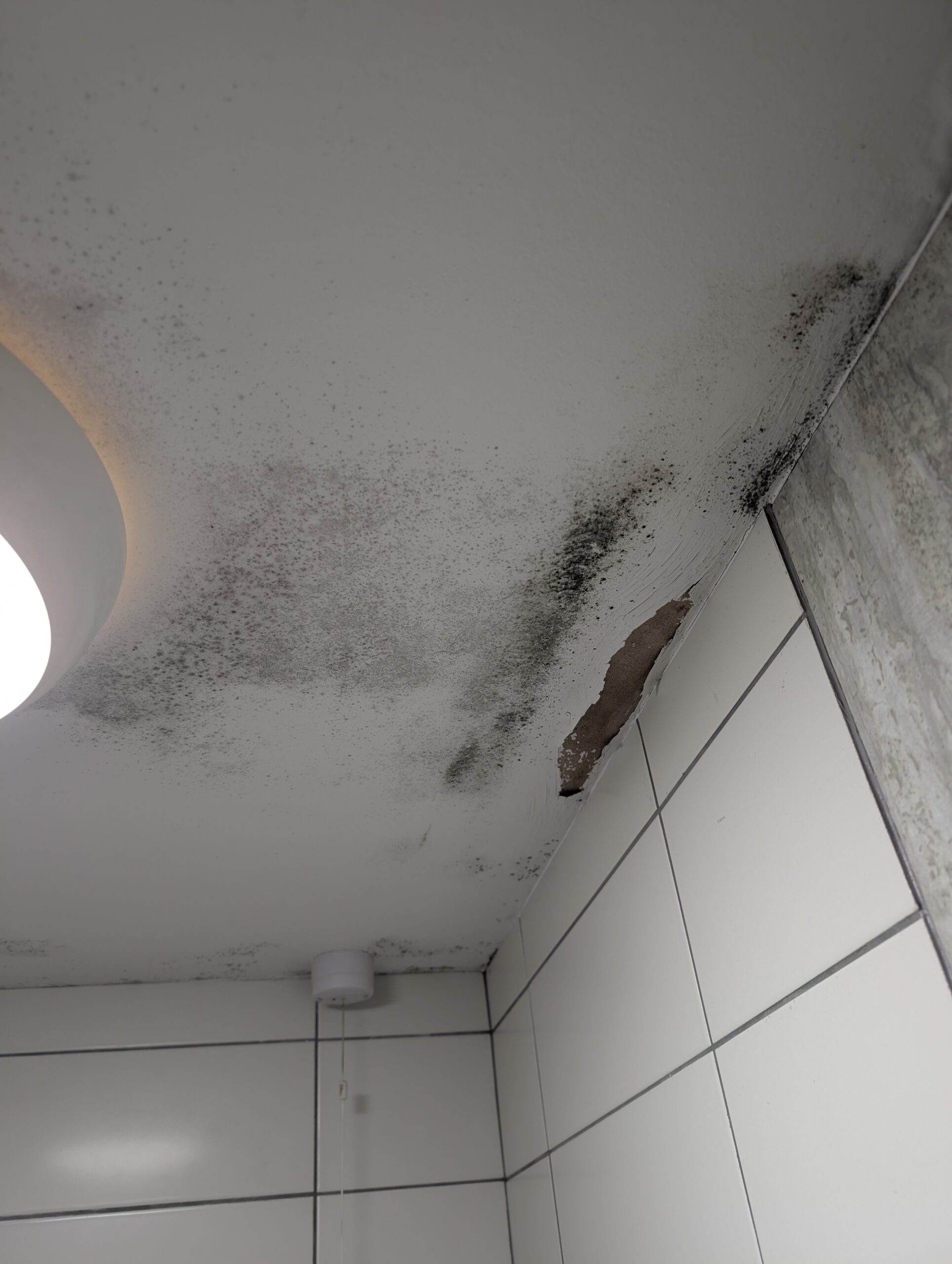
If a loss adjuster is involved, the contractor’s role is to provide a clear, sensible and evidence-based scope. The aim is not to overcomplicate the claim but to make sure the property is put back properly and hidden damage is not missed. For example, replacing a stained ceiling without checking the void above it may leave damp insulation or damaged timber in place. Painting over mould without treating the cause and cleaning the affected area properly is also not a lasting repair.
London properties bring their own practical issues as well. Parking restrictions, permit requirements, congestion charges, restricted access, communal areas, neighbours, working hours and waste removal all need to be considered. These items should be discussed before the job starts so the programme is realistic and the client understands what is included.
The best approach is controlled, documented and staged. First, make it safe. Second, stop the source. Third, record the damage. Fourth, notify the relevant insurer, landlord or managing agent. Fifth, allow the affected areas to be assessed properly. Sixth, agree on the scope before reinstatement begins. Finally, complete the repairs with the right preparation, materials and finishing standards.
AWJ Construction LTD works across London on water damage repairs, insurance reinstatement and property refurbishment. We can inspect affected areas, prepare clear scopes of work, provide insurer-ready quotations and carry out reinstatement works from strip-out through to final decoration.
If your property has suffered water damage, send us clear photos, the property address, a short description of what happened, any insurance claim details, and whether the leak is still active. The more information we have at the start, the easier it is to give accurate advice and move the repair forward properly.
For insurance reinstatement, property repairs or refurbishment enquiries, contact AWJ Construction on
or