Introduction
Victorian properties are one of the reasons London homes have so much character. High ceilings, original fireplaces, timber floors, cornices, ceiling roses, sash windows, panelled doors and traditional layouts can make these buildings beautiful to live in. They can also be more complicated to refurbish than a modern property. The age of the building, the previous alterations and the way the property has been maintained all affect what is possible, what is sensible and what needs to be allowed for before work starts.
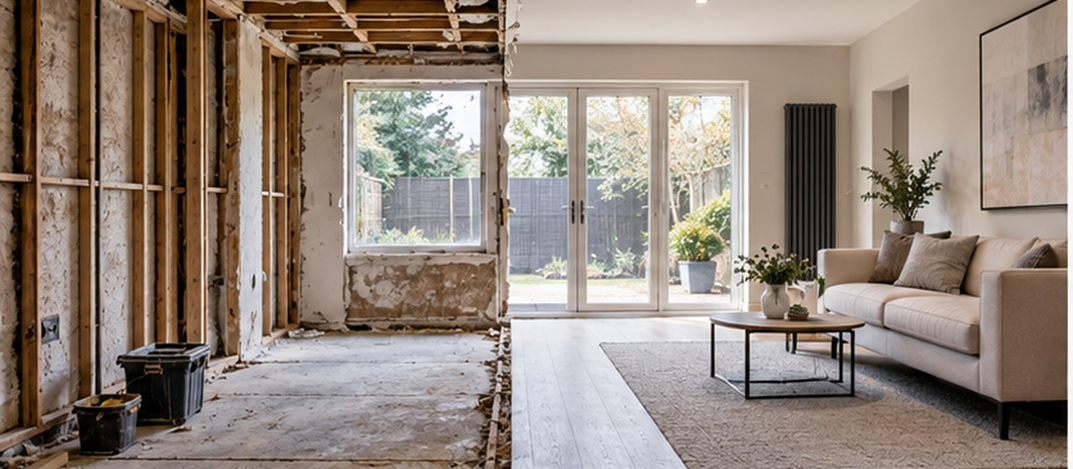
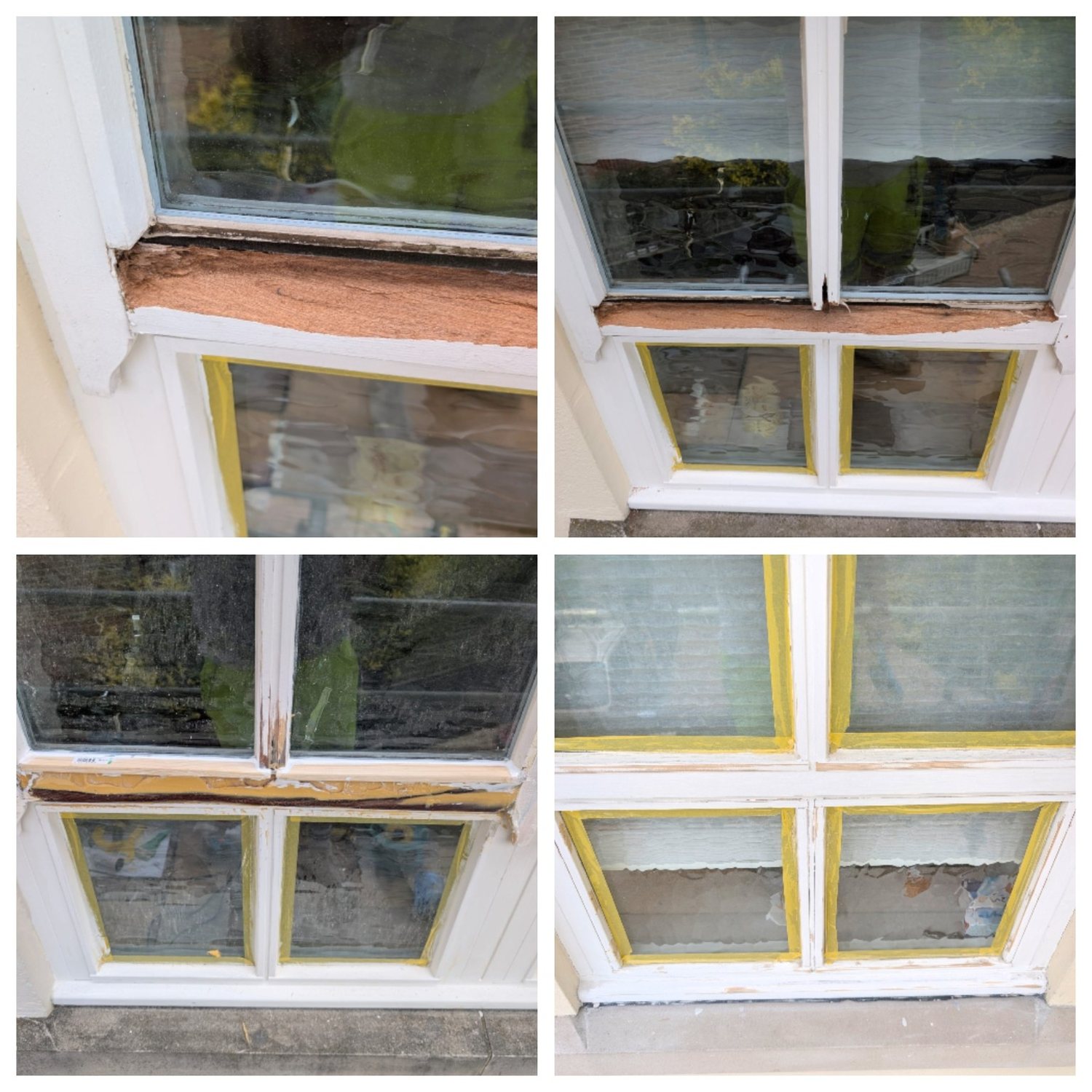
The first thing to understand is that Victorian properties often hide problems behind good-looking finishes. A room can appear presentable, but once carpets, wallpaper, old plaster, boxing, kitchen units or bathroom fittings are removed, the condition underneath may be very different. Common findings include uneven floors, damp patches, blown plaster, poor previous repairs, old pipework, outdated wiring, rotten timber, loose skirting, cracked ceilings and walls that are not straight or square.
That does not mean these properties are a bad investment. It means the refurbishment needs to be planned properly. A Victorian home usually responds best to a balanced approach: keep the character where it adds value, upgrade the property where modern living requires it, and avoid covering over problems that need proper repair.
Preparation is one of the biggest parts of the job. Older walls may have layers of paint, wallpaper, lining paper, filler, distemper or failing plaster. Simply painting over them can leave a poor finish. In many cases, the surface needs stripping, stabilising, filling, sanding, lining or replastering before decoration. The right approach depends on the condition of the substrate and the finish the client expects. For a high-end finish, the preparation stage is often where the quality is won or lost.
Floors are another common issue. Victorian floors are often uneven because of age, settlement, previous repairs or old timber movement. Before laying new flooring, the contractor should check the condition of the subfloor, ventilation, moisture, loose boards, deflection and levels. Fitting expensive flooring over an unstable or damp subfloor is a false economy. In some cases, local repairs are enough. In others, sections may need lifting, strengthening or replacing.
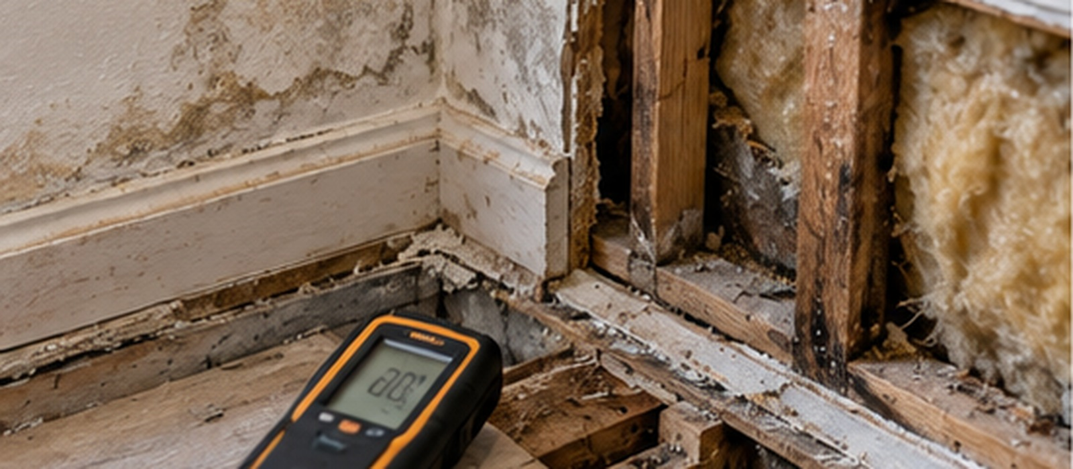
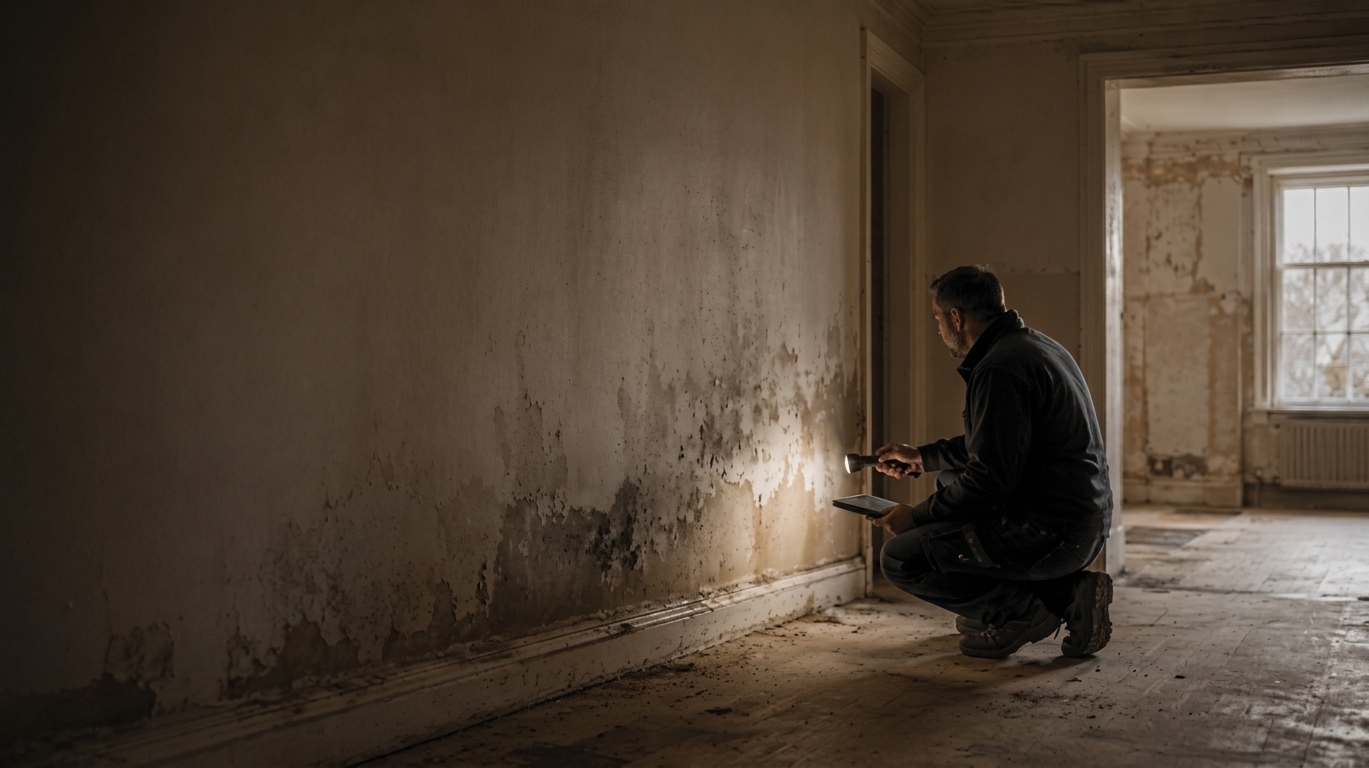
Damp also needs to be treated carefully. Not every mark on an old wall is a major damp problem, but not every stain should be ignored either. The cause needs to be understood. It could be condensation, poor ventilation, a leak, external defects, bridged damp proofing, blocked gutters, failed pointing, trapped moisture or historic damage that has never been properly made good. Using the wrong product can make matters worse, especially in older buildings that may need to breathe in certain areas.
Period features should be protected wherever possible. Original cornices, fireplaces, doors, architraves, skirting boards and floorboards can add real value and character. However, they need careful handling. If a wall is being chased, plaster repaired, ceilings replaced or rooms redecorated, the work should be planned so these features are protected from unnecessary damage. Where features are already damaged, it may be possible to repair, restore or sympathetically replace them rather than remove them completely.
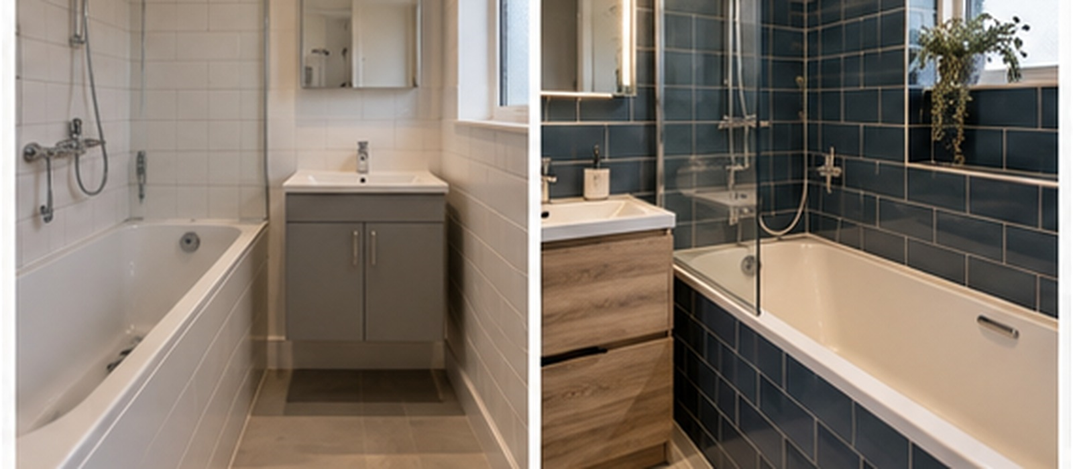
Services are another key consideration. Many Victorian homes have had several generations of plumbing, heating and electrical work added over time. This can mean redundant pipes, old cables, poor access, unusual routes and previous shortcuts. Before a refurbishment begins, it is sensible to understand what services are being kept, what needs upgrading, and what areas may need opening up. This is particularly important if bathrooms, kitchens, boilers, radiators, lighting or sockets are being changed.
London logistics also needs to be priced and planned properly. Parking permits, restricted loading, congestion charges, neighbours, narrow staircases, communal areas, dust protection, waste removal and working hours can all affect the programme. In flats and terraced houses, moving materials and waste can take longer than expected. A realistic quote should allow for these practical details rather than pretending the job is the same as working on an empty modern house with easy access.
Good refurbishment work starts with a clear scope. The client should know what is included, what is excluded, what assumptions have been made, what provisional items may change, and how hidden defects will be handled if they are found. This is especially important in Victorian properties because the final scope can change once areas are opened up. Clear communication prevents disputes and helps the project move forward without constant uncertainty.
The best results usually come from a contractor who understands both the building and the finish. A Victorian refurbishment is not just about making everything new. It is about making the property safe, practical and well finished while respecting the age and character of the building. That could mean repairing original timber, carefully preparing old plaster, using appropriate primers and paints, upgrading services neatly, restoring details and making modern additions feel like they belong.
AWJ Construction LTD works on refurbishments, decorating, repairs and insurance reinstatement across London, including on older and period properties. We can help with room refurbishments, full internal upgrades, plaster repairs, flooring, decorating, bathrooms, kitchens, joinery, water damage repairs and making good after leaks or previous poor workmanship.
If you are planning to refurbish a Victorian property, send us photos, the property address, a list of the areas you want improved, any known issues, and whether the property will be occupied during the works. We can then help prepare a realistic scope and explain what should be checked before the project begins.
For insurance reinstatement, property repairs or refurbishment enquiries, contact AWJ Construction on
or