
What does “insurance reinstatement” mean?
Insurance reinstatement is the process of repairing or rebuilding insured property after covered damage so that, as far as the policy and circumstances allow, the policyholder is put back into the position they were in immediately before the loss. In home insurance, this is closely linked to the principle of indemnity. The Financial Ombudsman Service explains that buildings and contents policies are generally policies of indemnity and that an accepted claim may be settled by repair, replacement or a cash payment, depending on the policy and circumstances.
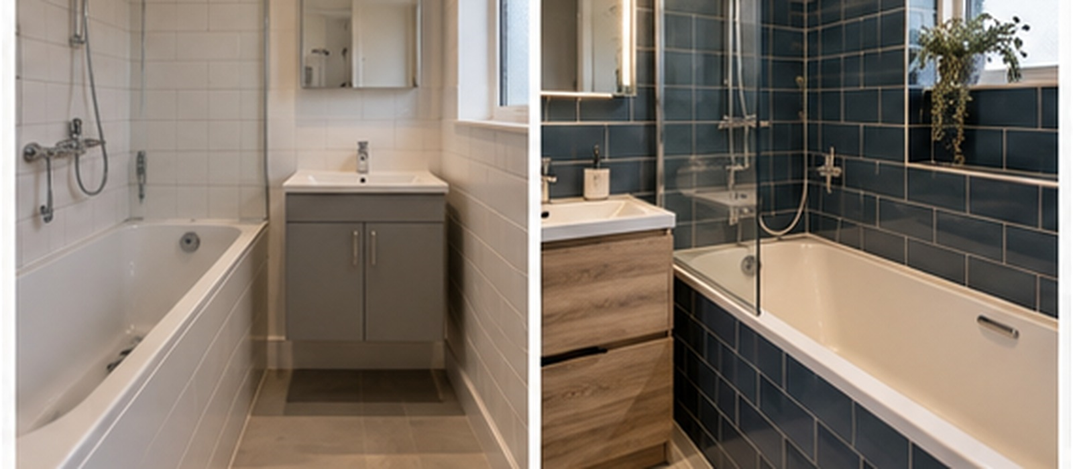
The Association of British Insurers states that buildings insurance can cover repairing the structure, including plasterwork and flooring, replacing fitted kitchens and bathroom suites, drying or decontamination where required, and in the most serious cases rebuilding the property. The exact cover always depends on the individual policy, exclusions, limits, excess and cause of damage.
A typical reinstatement process
- 1. The incident is made safe and the cause is addressed where possible. For example, a leak may need to be stopped before reinstatement can begin.
- 2. The claim is notified to the insurer and the damage is documented. The insurer may appoint a claims handler, surveyor, specialist or loss adjuster depending on the size and complexity of the claim.
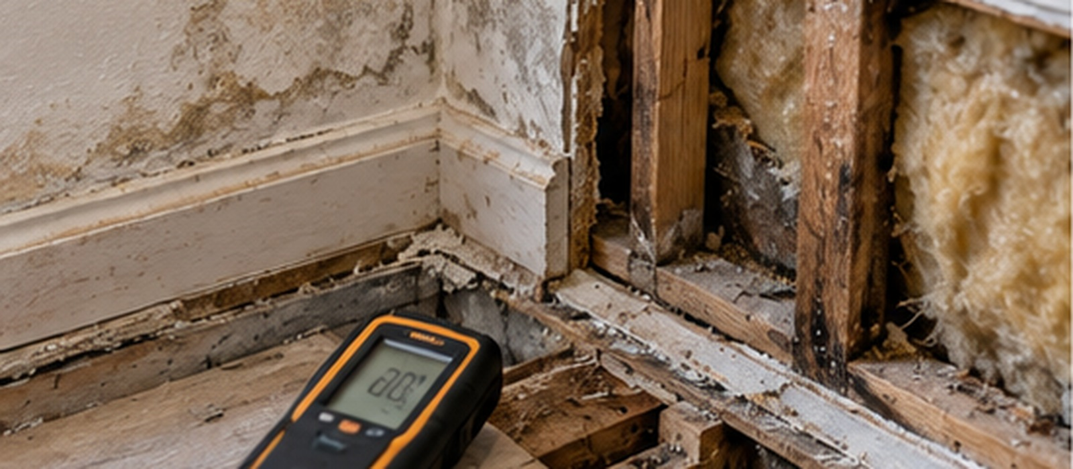
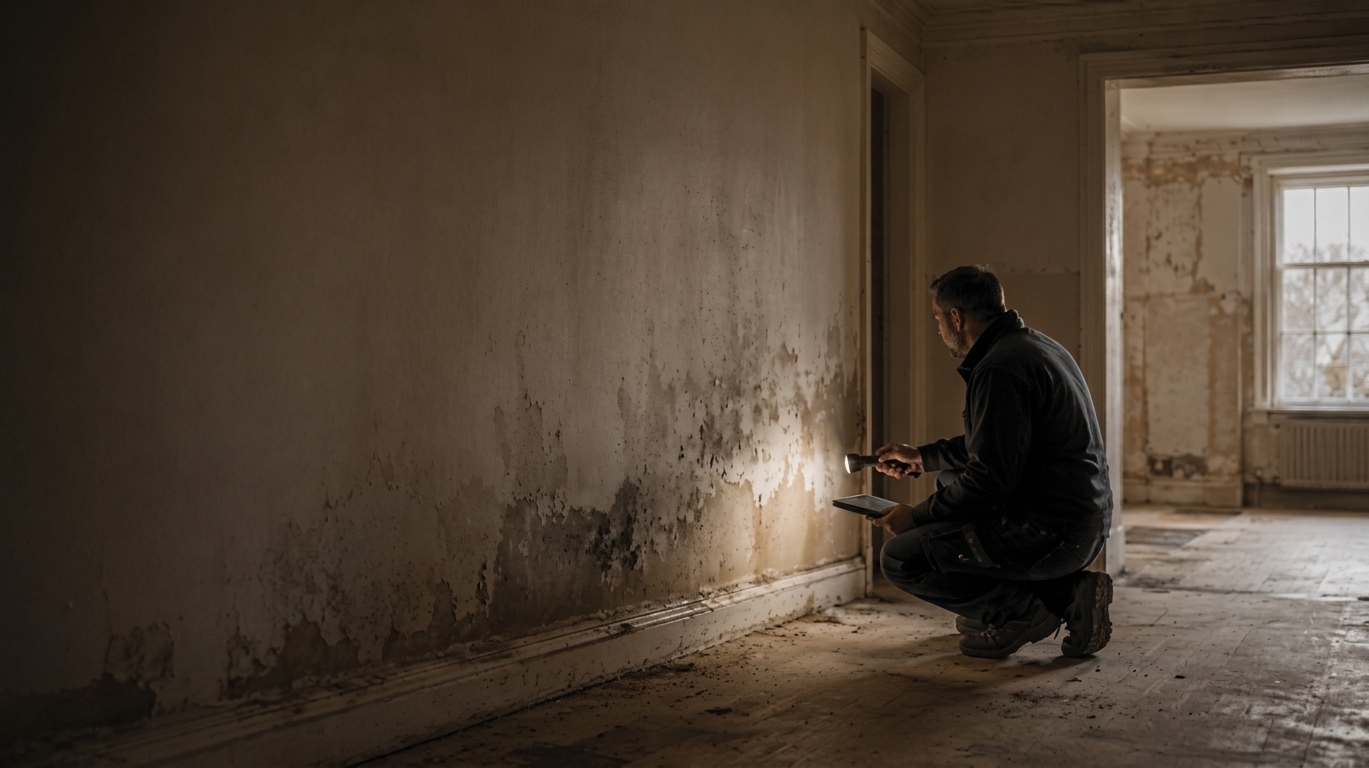
- 3. The extent of damage is assessed. This can involve photographs, moisture readings, opening-up, specialist reports and review of affected finishes, fixtures and building elements.
- 4. Drying, cleaning or decontamination may be needed before repairs. Wet materials should not simply be covered over because their condition can affect the durability of the finished repair.
- 5. A scope of works and costing are prepared. The purpose is to describe what needs to be removed, repaired, replaced and finished, together with relevant assumptions, quantities and costs.
- 6. The insurer reviews the proposed settlement or repair approach. Questions may be raised about causation, coverage, repair method, pricing, material matching or the extent of work.
- 7. Reinstatement works are completed in the correct sequence, subject to approvals and site conditions. This may include strip-out, carpentry, plastering, flooring, kitchens, bathrooms, plumbing, electrics and decoration.
- 8. The completed work is inspected, tested where appropriate, snagged and handed over.
Who decides what the policy will pay for?
The contractor can explain the building work that is technically required and provide evidence and costs, but the contractor does not decide insurance coverage. Coverage and settlement remain matters for the insurer and the parties to the insurance contract. A loss adjuster may investigate and evaluate the claim and make recommendations, but the precise authority of any adjuster depends on the appointment and insurer arrangements.
Important distinction: a reinstatement scope describes the building work. It is not itself a decision that every item is insured. Policy wording, excesses, limits and exclusions still apply.
Repair standards and “pre-loss condition”
The aim is not necessarily to recreate every component identically. Products may have been discontinued, regulations may have changed and some materials may no longer be appropriate. The Financial Ombudsman Service says that when an insurer chooses repair, the repair should be effective and lasting and should put right the insured damage for an appropriate period.
For fixtures and fittings such as kitchen units or bathroom fittings, the Ombudsman generally expects replacement products of the same quality as those damaged where replacement forms part of an accepted buildings claim. Matching issues can be more complicated and are often policy-specific.
When may building regulations matter?
Many ordinary repairs and replacements do not require a separate building regulations application, but some reinstatement work can amount to controlled building work. GOV.UK advises checking with a building control body if there is uncertainty. Work to higher-risk buildings in England can be subject to additional Building Safety Regulator requirements. The correct route depends on the building and the nature of the work.
What a good reinstatement process should achieve
A well-managed reinstatement should create a clear chain from damage to assessment, scope, approval, repair and completion. The objective is not simply to make the property look finished again, but to ensure that the underlying damage has been addressed and that the repair is technically appropriate, properly sequenced and documented.
Sources and further reading
The following authoritative sources were checked when preparing this guide: