Introduction
Insurance reinstatement can look very similar to normal building work from the outside. Plasterboard may need replacing, walls may need decorating, flooring may need lifting, kitchens or bathrooms may need repairing, and joinery may need making good. The difference is not always the trade work itself. The difference is the process, the evidence, the documentation and the requirement to put the property back to its pre-loss condition in a controlled and justifiable way.
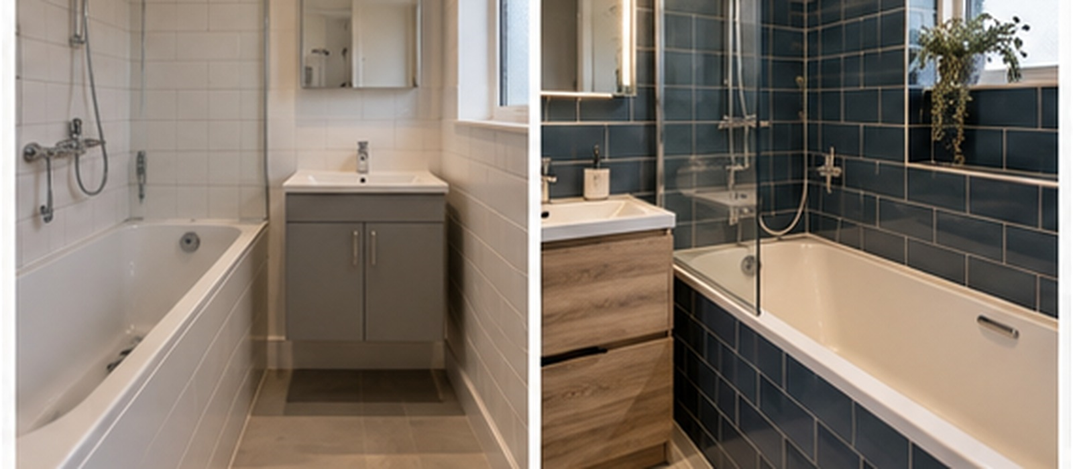
Standard building work usually starts with a client deciding what they want to improve. They may want a new bathroom, a better kitchen, new flooring, a full refurbishment or a decorative upgrade. The specification is based on preference, budget and design choices. Insurance reinstatement starts from a different position. Something has gone wrong, such as an escape of water, leak, fire, impact damage, storm damage, ceiling collapse or another insured event. The work then needs to repair the damage caused by that event and return the affected areas to an appropriate standard.
This is why documentation is so important. With standard refurbishment, a client may simply approve a quotation and choose finishes. With insurance reinstatement, the insurer, loss adjuster, policyholder, landlord, managing agent or surveyor may all need to understand exactly what has been damaged, what work is required, what is excluded, and why the proposed method is reasonable. A vague quotation saying “repair and decorate room” is rarely enough for a well-managed claim.
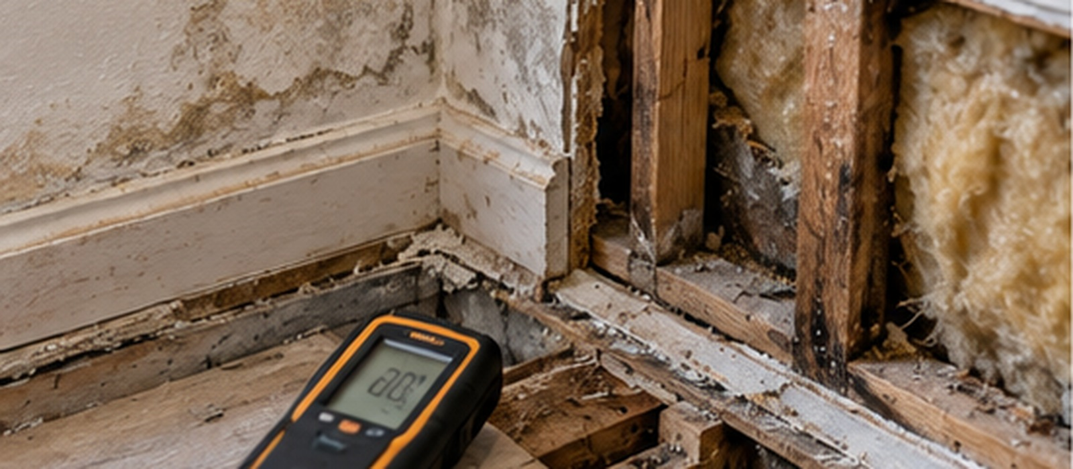
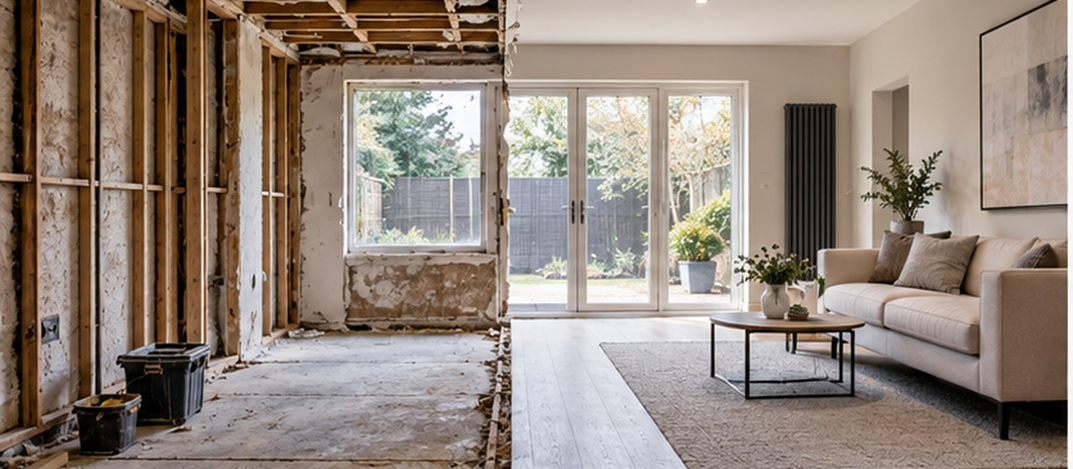
A proper reinstatement scope should explain the affected areas, the likely cause or reported incident, the visible damage, the proposed repair method and any assumptions. For water damage, it may need to refer to moisture, mould risk, failed plasterboard, swollen joinery, damaged flooring, contaminated insulation or staining. For fire or smoke damage, it may need to explain cleaning, sealing, odour control and replacement of damaged surfaces. For impact or structural damage, it may need to be separated, made safe, opened up, repaired, made good and finished.
Another key difference is like-for-like repair. Insurance reinstatement is usually not about upgrading a property beyond what was there before, unless the client chooses to pay the difference or the policy allows for it. The contractor needs to understand what is being reinstated and where betterment may become an issue. For example, replacing a damaged section of flooring may sound simple, but if the flooring is discontinued or cannot be matched, the scope may need to explain why a wider area requires replacement to achieve a reasonable finish.
Variations also need to be handled carefully. During normal building work, a variation might be an extra that was requested by the client. During insurance reinstatement, a variation may be newly discovered damage that could not reasonably be confirmed until the area was opened up. Common examples include rotten timber behind a bath, damp subfloor under vinyl, mould behind fitted units, damaged insulation above a ceiling, or electrical issues discovered after water has entered a light fitting. These findings should be photographed, explained and priced clearly before the work continues, where possible.
Programme management is another difference. In a normal refurbishment, the sequence is usually planned around trades, access and client preference. In reinstatement work, the sequence may also depend on drying periods, approval stages, adjuster visits, surveyor comments, health and safety, tenant access and temporary works. Starting the finishing stage too early can create problems, especially after water damage. Surfaces must be ready to receive plaster, stain block, paint, flooring or joinery; otherwise, the repair may fail.
Communication also matters more. Insurance-related work can involve several parties, and each party may have a different priority. The homeowner wants the property repaired quickly. The insurer wants the claim controlled and justified. The loss adjuster wants evidence and a reasonable scope. The contractor wants enough detail to price and carry out the work properly. Good reinstatement work keeps these parties aligned by using clear language, photographs, written scopes, itemised costs and agreed changes.
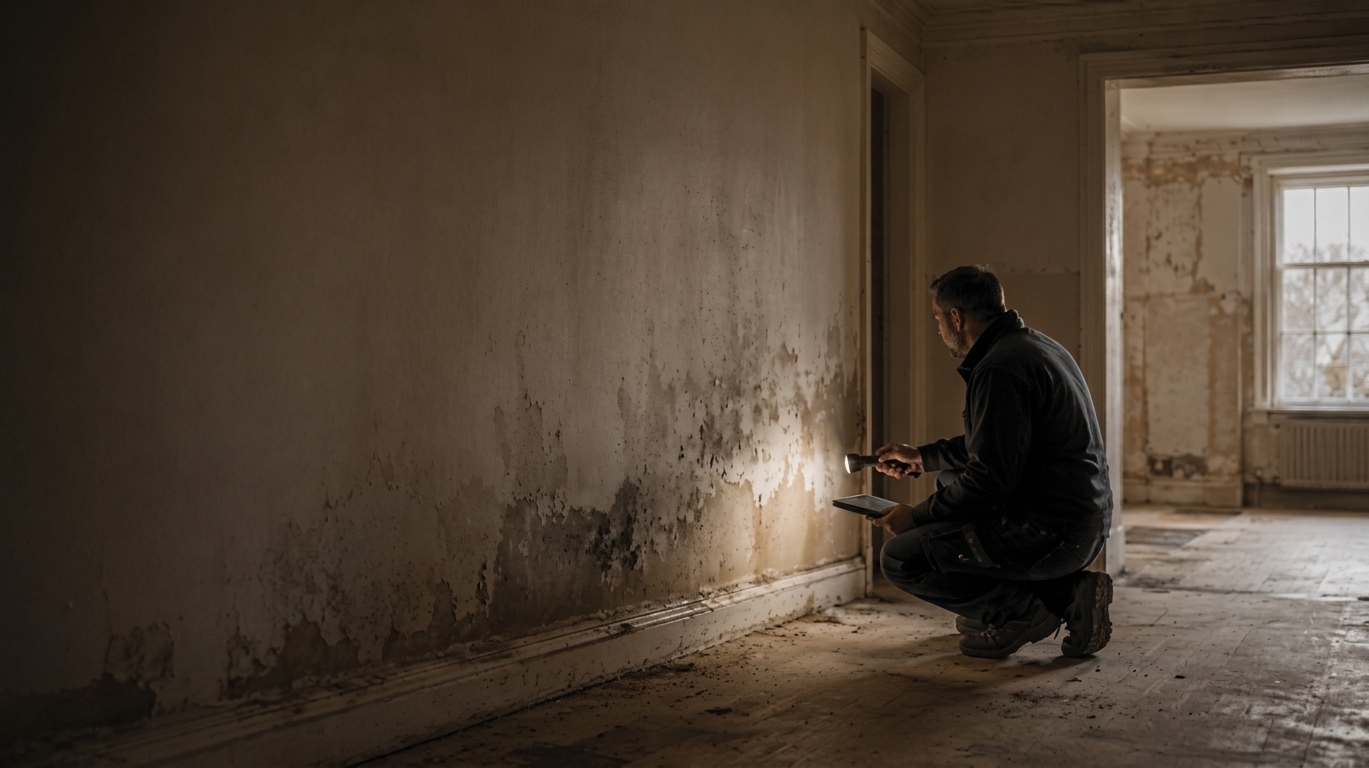
There is also a difference in how risk is managed. Insurance repairs often deal with hidden or consequential damage. A stained wall may hide damp plaster. A leaking bathroom may have damaged the floor beneath. A ceiling collapse may have affected electrics, insulation and decoration. A contractor who treats the job as simple decoration may miss the underlying issue. This can lead to repeat damage, complaints, delays and further cost.
A good reinstatement contractor should be comfortable preparing detailed quotations, explaining methods, separating labour and materials, identifying exclusions, and providing supporting photographs. They should also be realistic. Not every claim needs a huge scope, but every claim does need a proper assessment. The aim is to repair what is damaged, avoid unnecessary work, and make sure nothing important is missed.
For clients, the best way to avoid problems is to involve a contractor early, keep records, avoid rushing into cosmetic repairs, and make sure the scope is approved before major reinstatement begins. It is also worth asking whether the contractor understands insurance work specifically, not just general building.
AWJ Construction LTD carries out insurance reinstatement, water damage repairs and refurbishment works across London. We prepare clear scopes, itemised quotations and practical repair methods that help clients, managing agents and insurers understand what is required. Our work can include making safe, strip-out, plastering, flooring, joinery, bathrooms, kitchens, decorating, mould treatment and full internal reinstatement.
If you are dealing with an insurance claim and need a contractor who can explain the damage clearly, send us the claim details, photos, property address, any loss adjuster correspondence and any existing scope you have received. We can review the information and advise on the next practical step.
For insurance reinstatement, property repairs or refurbishment enquiries, contact AWJ Construction on
or