The starting point: indemnity
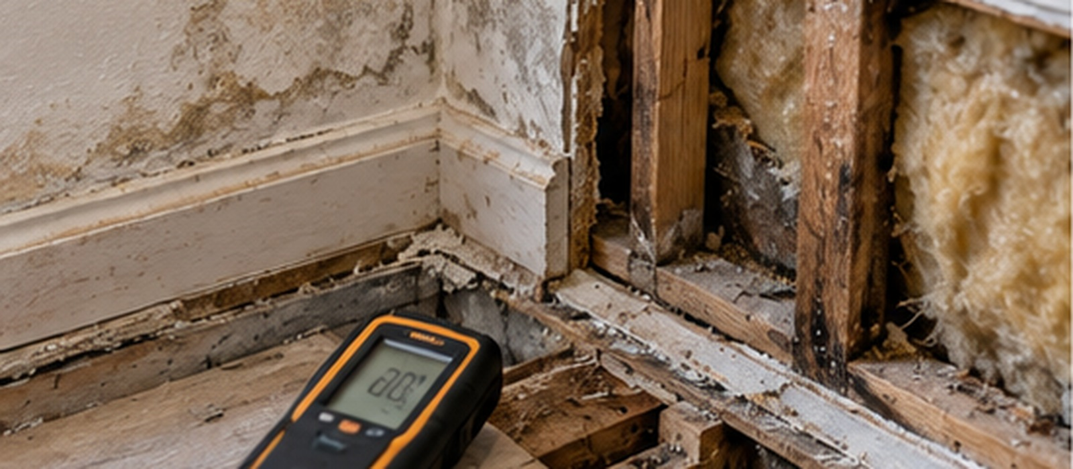
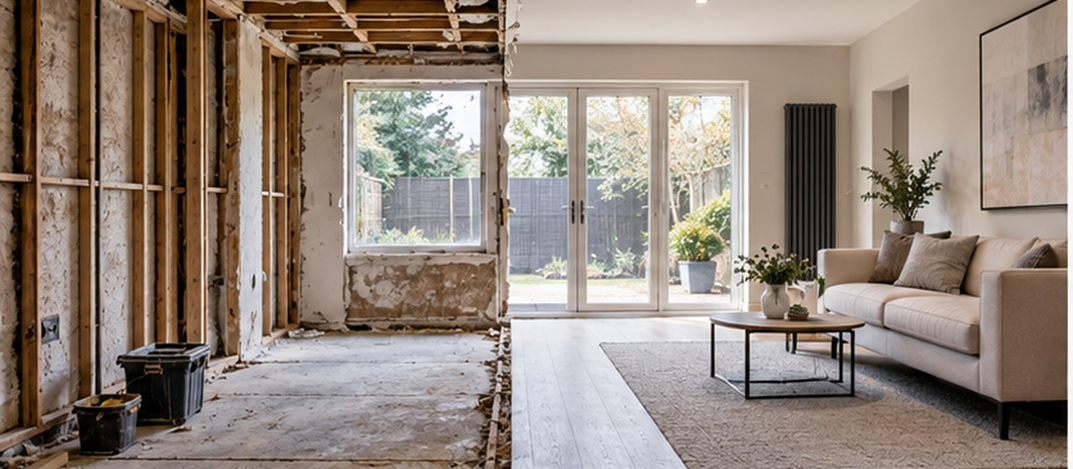
Home insurance is generally intended to indemnify the policyholder: in broad terms, to put them back in the position they were in immediately before the insured loss, subject to the wording of the policy. That principle is why insurance repairs are commonly discussed in terms of reinstating damaged property to an equivalent pre-loss standard rather than using the claim as a general refurbishment budget.
The Financial Ombudsman Service says that, where fixtures and fittings such as kitchen units or bathroom fittings need replacing as part of an accepted buildings claim, the replacement should generally be of the same quality as what was damaged.
What does “like-for-like” really mean?
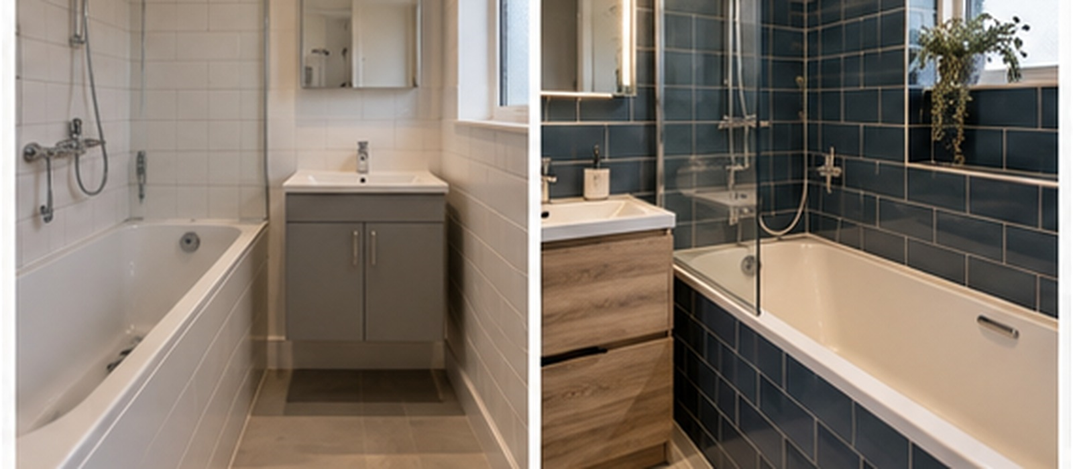
Like-for-like does not always mean the identical product code. An exact product may have been discontinued, its specification may have changed or the original product may no longer comply with current requirements. In practice, an equivalent item is usually considered in terms of quality, function, appearance and specification, subject to the policy and settlement approach.
Matching can become difficult when only part of a continuous finish or set has been damaged. The Ombudsman explains that many policies limit cover to the damaged part, while some claims raise a separate loss-of-match issue. The outcome depends on the policy wording and the facts of the individual case.
What counts as an upgrade?
An upgrade is a deliberate improvement beyond the insured pre-loss standard. Examples might include moving from laminate worktops to stone, changing standard sanitaryware to premium products, adding extra cabinetry, choosing a materially more expensive floor, changing the room layout or adding features that were not there before.
If the policy only responds to the pre-loss specification, the additional cost of the improvement will normally need to be separated from the insured repair and agreed as a client-funded upgrade. Clear separation protects everyone: the insurer can review the reinstatement cost and the customer can see the additional cost of their chosen improvement.
What if current standards require something different?
Not every difference from the original building is a discretionary upgrade. Repair work can sometimes need to meet current safety or building-regulation requirements. GOV.UK notes that many ordinary repairs are exempt from formal approval, while other work may require approval or competent-person certification. The correct position depends on the work being carried out.
Where compliance changes the necessary repair method, that issue should be identified and explained rather than simply labelled as betterment.
Can an insurer fund resilience improvements?
Sometimes. A notable example is Flood Re’s Build Back Better approach. GOV.UK states that, where the insurer participates and the policyholder is eligible, up to £10,000 may be available as part of flood repairs to help protect the home from future flooding. This is a specific scheme and should not be treated as a general rule for all insurance claims.
A practical way to document an upgrade
- Define the insured like-for-like or equivalent baseline.
- Price the reinstatement scope on that basis.
- Identify the customer’s preferred upgrade separately.
- Show the incremental upgrade cost clearly.
- Obtain agreement before ordering upgraded materials or carrying out extra work.
- Keep the insurer-facing scope and the customer-funded variation distinct in the project records.
Whether a particular item is covered, treated as betterment or subject to a matching-set provision depends on the policy wording and the facts of the claim. A contractor can cost the alternatives, but does not decide policy coverage.
Sources and further reading
The following authoritative sources were checked when preparing this guide: