
Why the quotation matters
An insurance reinstatement quotation is more than a headline price. It should help the policyholder, insurer, loss adjuster and contractor understand what is being priced, what assumptions have been made, and what work is proposed to return the damaged property to an appropriate pre-loss standard.
There is no single statutory template that every residential insurance quotation must follow. Requirements vary between insurers and claims. However, a well-structured quotation reduces ambiguity and makes technical and commercial review easier.
Core information to identify the job
- Property address and the areas being priced.
- Client or policyholder details where appropriate.
- Insurer, claim reference and loss-adjuster or claims-handler details where supplied.
- Date of inspection and quotation date.
- A brief description of the reported incident or cause of damage, clearly distinguished from matters that still require specialist confirmation.
- Any documents relied upon, such as an insurer scope, leak-detection report, drying report or structural advice.
A clear scope of works
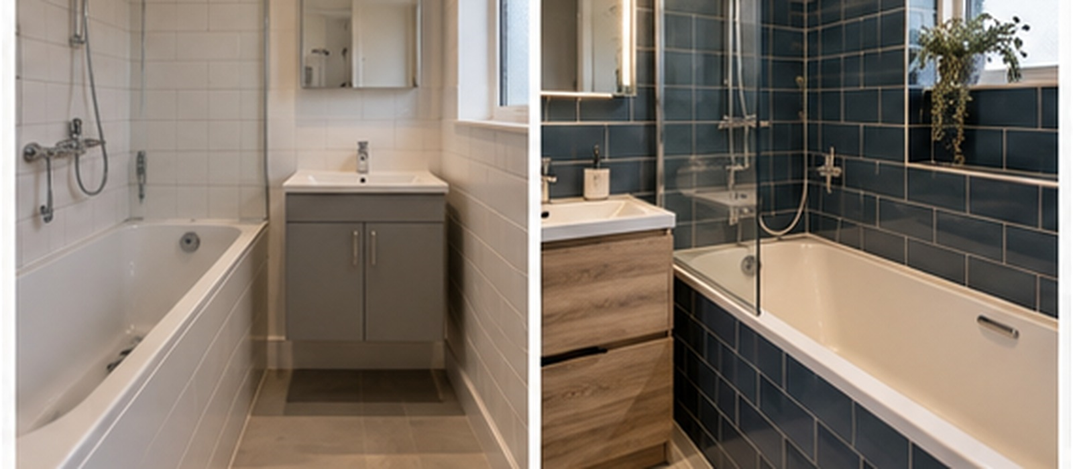
The quotation should state what is actually included. A useful scope separates the project into logical stages or rooms and describes the relevant operations. Depending on the damage, this might cover protection, strip-out, opening-up, drying support, cleaning, repair of substrates, plasterboard and plaster, joinery, flooring, kitchens, bathrooms, plumbing, electrical work, decoration and final cleaning.
Where quantities can reasonably be measured, dimensions, areas or unit quantities can make the quotation easier to review. Where they cannot yet be confirmed, the quotation should say so rather than presenting an uncertain allowance as a fixed fact.
Method and sequencing where it affects cost
Insurance repairs often depend on sequence. For example, final flooring should not be installed until the relevant substrate is ready, and a wet area should not be closed up until the underlying build-up is suitable. If a particular methodology materially affects cost or quality, it should be described.
The quotation should also identify any specialist involvement that may be required, such as asbestos testing, structural engineering, leak detection, specialist drying, electrical testing or building control.
Costs, VAT and allowances
- Net cost of the proposed work.
- VAT treatment and gross total where applicable.
- Any provisional sums, prime-cost allowances or estimated quantities clearly labelled as such.
- Separate identification of optional upgrades or client-funded improvements so they are not confused with the insured reinstatement scope.
- Any inspection or report fee and whether it will be credited if the contractor is later appointed, if that is the contractor’s stated commercial arrangement.
Assumptions, exclusions and unknowns
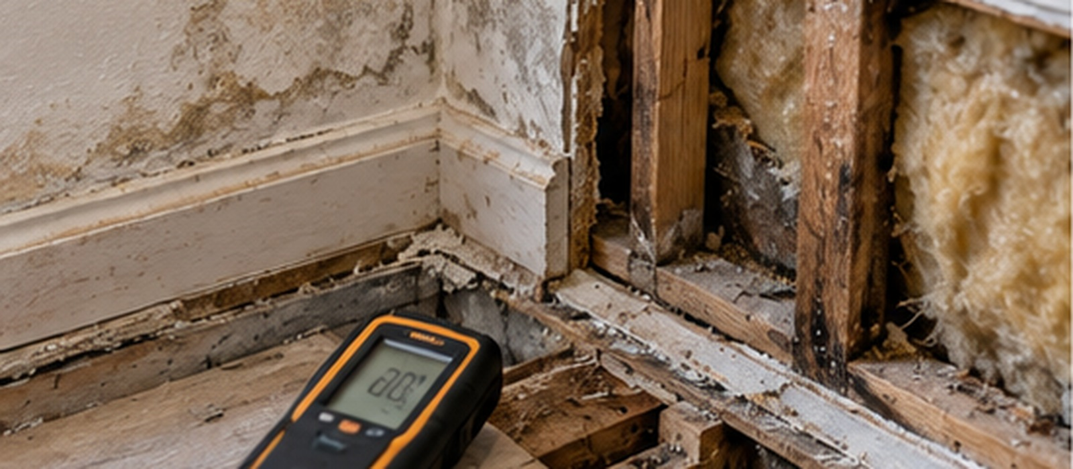
A detailed quotation should be explicit about what has not been included. Common examples are unresolved causes of damage, concealed structural defects, asbestos removal, specialist design, extensive electrical replacement, drainage defects or items that cannot be confirmed until strip-out.
This is particularly important where the visible condition does not reveal the full extent of damage. A sensible quotation can explain how additional damage discovered during authorised opening-up will be documented and priced as a variation before extra work proceeds where practicable.
Material matching and quality
Where an existing finish may be difficult to match, the quotation should identify the issue rather than assume an exact match is possible. The Financial Ombudsman Service notes that matching-set disputes depend heavily on policy terms and circumstances. It also says that replacement fixtures and fittings should generally be of the same quality as those damaged when replacement is required under an accepted buildings claim.
Terms such as “like-for-like” are most useful when they are supported by an actual specification: tile size and quality, flooring type, sanitaryware level, kitchen unit specification or paint system.
Programme and commercial clarity
A quotation should state any expected programme or key dependencies, such as insurer approval, drying completion, material lead times and access. It should also state how long the quotation is valid and the payment terms that would apply if the work is instructed.
A detailed quotation does not guarantee that an insurer will accept every item. It gives the parties a clearer technical and cost basis on which to review the claim.
Sources and further reading
The following authoritative sources were checked when preparing this guide: