A burst pipe, leaking appliance, overflowing bath or escape of water from another property can cause a surprising amount of damage in a very short time. Water can travel through ceilings, walls, insulation, flooring and adjoining rooms before the full extent of the damage becomes visible.
If you are dealing with an escape of water, the priority is to make the property safe, stop further damage and create a clear record of what has happened. The first few hours can make a significant difference to both the property and the insurance claim.
The following guide explains the practical steps to take and the point at which repair and reinstatement work should begin.
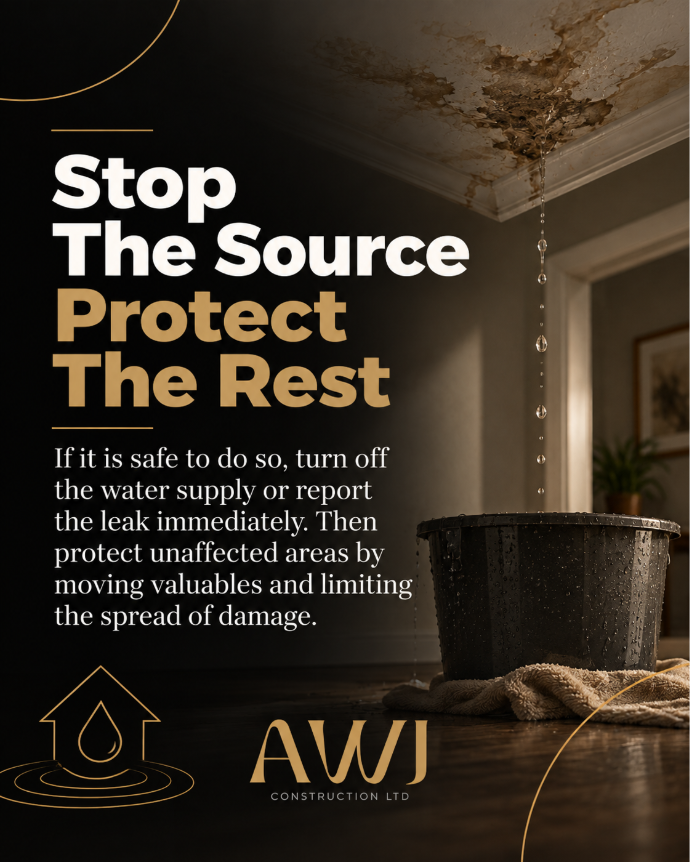
1. Stop the source of the water if it is safe to do so
If the leak is coming from within your property, locate the stopcock and turn off the water supply where possible.
If the water is coming from another flat or property, contact the occupier, managing agent, landlord or emergency maintenance provider immediately. The sooner the source is stopped, the less damage the property is likely to sustain.
If water is affecting electrical fittings, sockets, lights or consumer units, do not touch electrical equipment in the affected area. Electricity should only be isolated where it is safe to do so. If there is any doubt, contact an appropriately qualified electrician or emergency service provider.
2. Protect unaffected areas
Once the source has been controlled, take reasonable steps to prevent the damage spreading further.
This might include moving furniture and possessions away from affected areas, placing containers beneath active drips or protecting unaffected flooring.
Do not put yourself at risk to save belongings. Partially collapsed ceilings, water damaged electrics and saturated building materials can all present hazards.
3. Photograph and video the damage
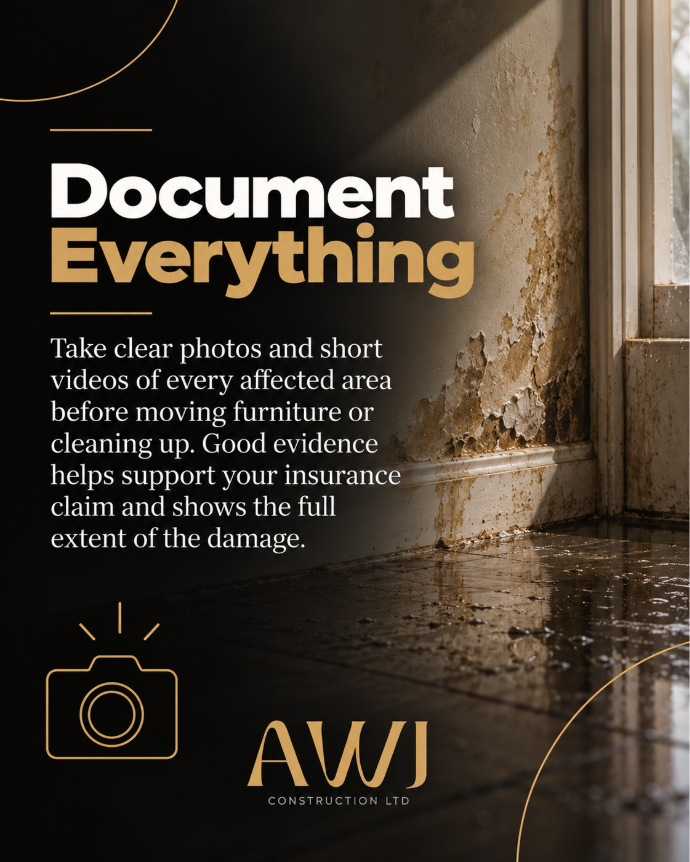
As soon as the immediate situation is under control, create a thorough photographic record. Take wide photographs showing each affected room as well as close ups of individual areas of damage.
Short videos can also be useful because they show how different areas of damage relate to each other. Do not dispose of damaged materials or belongings unnecessarily before speaking to your insurer unless they present a safety or hygiene risk.
- Ceilings and walls
- Flooring and skirting
- Kitchen units and worktops
- Bathroom finishes
- Doors and joinery
- Furniture and belongings
- Visible staining
- Cracking or distortion
- Standing water
- The apparent source of the leak where known
4. Contact your insurer
Notify your buildings or contents insurer as soon as reasonably possible. Give them a straightforward account of what happened, when the leak was discovered, whether the source has been stopped, which rooms appear to be affected, whether emergency works have been necessary and whether the property remains habitable.
Your insurer may appoint a loss adjuster, surveyor, drying contractor or other claims professional depending on the size of the loss. Keep your claim reference somewhere accessible because contractors and other parties may need it later.
5. Keep records of emergency costs
If you have to arrange emergency plumbing, electrical works, temporary protection or other urgent measures, keep copies of invoices, receipts, photographs, reports, emails and any correspondence with the insurer.
This creates a clear record of why the expenditure was necessary. Insurance policies vary, so always check what your particular policy covers.
6. Do not start reinstatement before the property is properly assessed
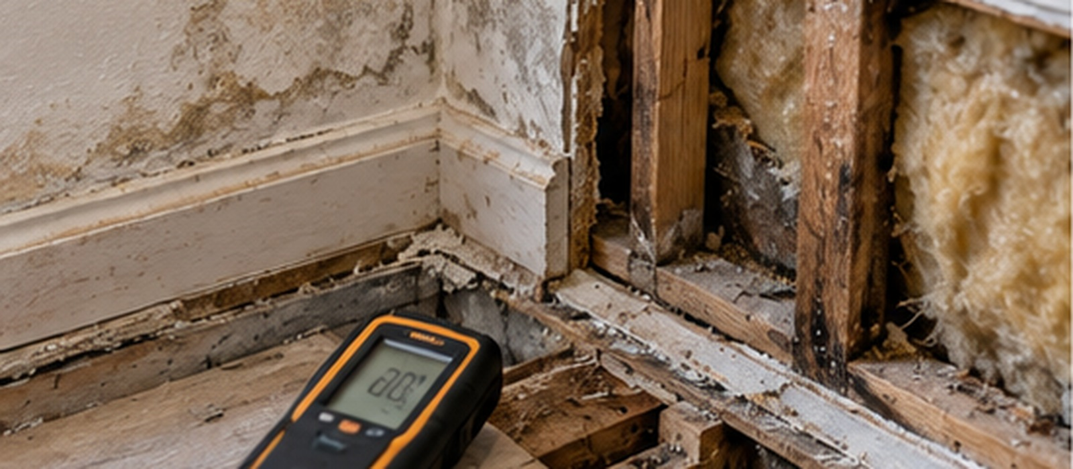
One of the biggest mistakes after water damage is repairing visible surfaces too early. A wall may look dry while moisture remains within plaster, masonry, timber, insulation or the floor construction.
Depending on the loss, moisture readings or professional drying may be required before reinstatement begins. This is particularly important after larger escape of water claims.
- Paint failure
- Staining
- Mould growth
- Damage to new flooring
- Swelling of joinery
- Failure of plaster or finishes
- Further repairs being required later
7. Establish the full scope of damage
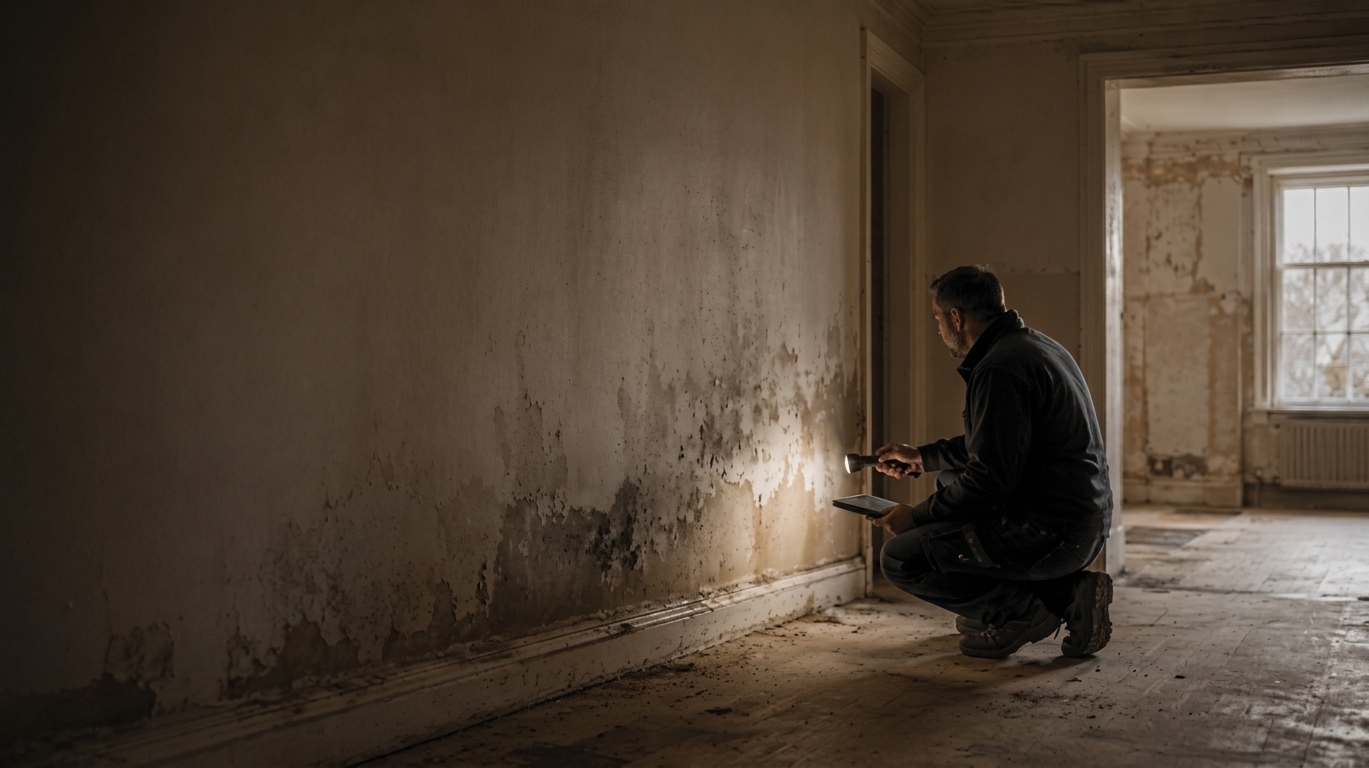
Water often travels beyond the area where the original leak occurred. A bathroom leak may damage the bathroom itself, the ceiling below, adjacent walls, flooring, kitchen cabinetry, electrical fittings, insulation, subfloors or joists.
The visible stain is not necessarily the complete extent of the loss. A proper inspection should establish what has been damaged, what can reasonably be repaired and what needs to be replaced.
8. Get a written reinstatement scope and itemised quotation
Before permanent reinstatement work begins, there should be a clear written scope. For an insurance claim, a good quotation should normally identify the individual areas and works required rather than simply providing one overall figure.
The quotation should also make clear any areas that cannot yet be accurately assessed. This is particularly important where further damage could become apparent once damaged finishes are removed.
- Protection and preparation
- Strip out
- Waste disposal
- Plaster repairs
- Stain blocking
- Decoration
- Carpentry and joinery
- Flooring
- Kitchen or bathroom works
- Electrical works
- Plumbing
- Making good
- Materials
- VAT

9. Make sure additional damage is dealt with properly
Sometimes hidden damage only becomes apparent once reinstatement work begins. Removing flooring might reveal damaged subflooring or joists. Removing kitchen units could expose deterioration behind them. Opening a ceiling may reveal damaged insulation or services.
If additional insured damage is discovered, it should normally be documented and referred back to the policyholder and insurer before additional work is undertaken, except where immediate action is required for safety. This helps avoid disputes later regarding what was included in the original quotation.
10. Do not rush the reinstatement
After a leak, most homeowners understandably want their property returned to normal as quickly as possible. Reinstatement carried out in the correct sequence usually produces a much better long term result.
A sensible sequence is:
- Stop the leak
- Make the property safe
- Document the damage
- Notify the insurer
- Inspect and assess
- Dry where required
- Agree the reinstatement scope
- Complete the repairs
- Check and hand over the finished works
Need help with an escape of water insurance claim?
AWJ Construction Ltd specialises in insurance reinstatement and property repairs following escape of water and other insured damage across London.
We can assist with inspections, insurer ready scopes of work, detailed reinstatement quotations and complete building repairs once the necessary approvals are in place.
Our work includes plastering, decorating, flooring, carpentry, kitchens, bathrooms and associated building reinstatement.
If you have suffered water damage and need help understanding the repair work required, contact AWJ Construction or send us photographs and details of your claim.
or